No Contact Isn’t a Fad – It’s an Essential Boundary for Your Well-Being
Going no contact is not about avoidance or punishment. It is a deliberate boundary that protects emotional well-being and creates space for healing when a relationship causes repeated harm.
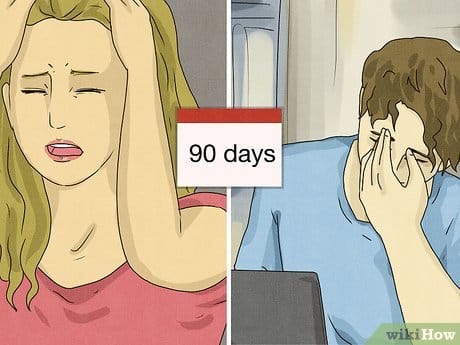
Choosing to go no contact with someone is never an impulsive or casual decision. It usually comes after repeated disappointment, emotional exhaustion, and a deep realization that continuing the connection causes more harm than good. No contact is not about punishment or avoidance. It is about protection, clarity, and healing.
For many people, the hardest part is not cutting off the person itself. It is dealing with the opinions of others who believe they know better. Friends, family members, or even strangers may insist that reconciliation is always the healthier option. What they often fail to understand is that peace sometimes requires distance.
What No Contact Really Means
No contact means intentionally removing someone’s access to your life. This includes communication, emotional labor, and mental space. It is not silent treatment or manipulation. It is a boundary that says, “This relationship is no longer safe or beneficial for me.”
People who choose no contact usually do so after trying other options first. They may have attempted honest conversations, compromises, or temporary breaks. When none of those efforts lead to lasting change, no contact becomes the final and most effective solution.
Why Reconnection Is Not Always Healing
There is a common belief that reconnecting with someone automatically leads to closure. In reality, reconnection often reopens wounds instead of healing them. Old patterns resurface. Unresolved power dynamics return. Emotional stress comes back quickly.
In some cases, brief reconnection confirms what you already knew. The relationship has run its course. There is nothing left to repair. In other cases, people refuse to respect boundaries and try to involve third parties. When that happens, protecting your peace may require cutting off more than one connection.
No Contact Is Not a Trend
Some critics label no contact as a modern self-help trend or an overreaction. This perspective ignores lived experience. People do not walk away from relationships lightly. They do it when staying becomes emotionally damaging.
Going no contact is not about avoiding discomfort. It is about choosing long-term stability over short-term familiarity. Guilt often fades when calm replaces chaos. That calm is not accidental. It is the result of a necessary boundary.
Signs That No Contact May Be the Right Choice
No contact is deeply personal, but there are common indicators that suggest it may be beneficial:
- You feel drained, anxious, or unsettled after interacting with the person
- Your boundaries are consistently ignored or dismissed
- Attempts to resolve issues lead to more conflict, not clarity
- You feel pressured by others to tolerate behavior that hurts you
- Your life feels more peaceful when the person is absent
These signs are not failures on your part. They are information. Listening to them is an act of self-trust.
Letting Go Without Guilt
You are not required to maintain access to your life for people who cause harm. Time, energy, and emotional availability are valuable resources. Protecting them is not selfish. It is responsible.
Not every relationship deserves infinite chances. Growth sometimes requires endings. Healing does not always involve forgiveness conversations or mutual understanding. Sometimes it simply involves stepping away and not returning.
Choosing Yourself Is Enough
No contact is not about winning or being right. It is about choosing a life that feels calmer, safer, and more aligned with who you are becoming. If creating distance helps you breathe easier, think more clearly, and feel more grounded, that choice is valid.
You do not owe anyone continued access to your peace. Choosing yourself does not need justification. It only needs honesty.